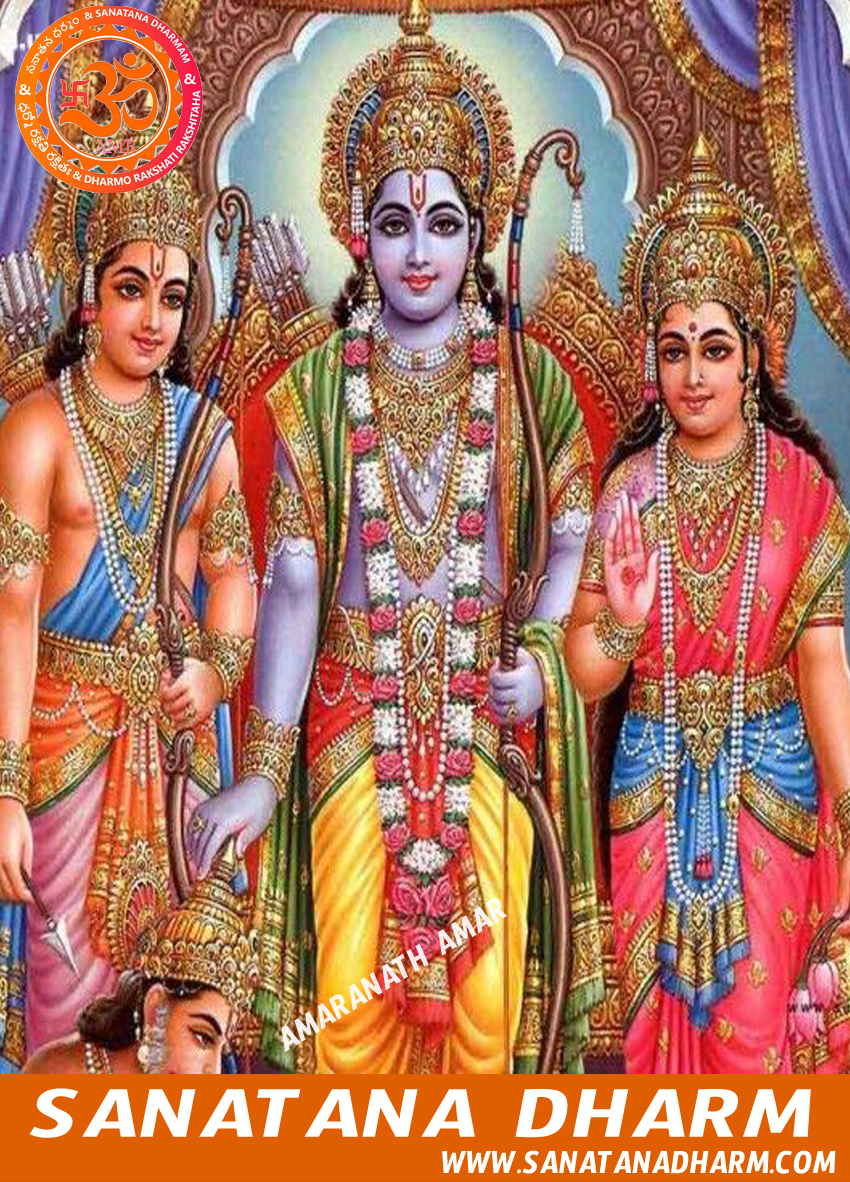
As Rama the tiger among men, having paid obeisance with joined palms departed, a great cry of distress arose among women of inner apartments.
जब उस श्रेष्ठ पुरुष (राम) ने हाथ जोड़कर प्रस्थान किया, तब अंतःपुर की स्त्रियों में हाहाकार मच गया।
Ayodhya Kanda – Sarga 41 · v2
अनाथस्य जनस्य अस्य दुर्बलस्य तपस्विनः |
यो गतिम् शरणम् च आसीत् स नाथः क्व नु गच्चति || २-४१-२
Where is he going, who was the path, who became the protector of the people, who are now defenseless weak and unhappy?"
इस अनाथ, दुर्बल और तपस्वी मनुष्य का जो सहारा और आश्रय था, वह अब कहाँ चला गया?
"Where has he gone, who was not angry even when provoked, who resolved every misunderstanding and who propitiated all those who were angry by sharing their suffering?
जो निंदा किए जाने पर भी क्रोधित नहीं होता और क्रोध करने योग्य बातों से बचता है, वह सभी क्रोधित लोगों को शांत करता हुआ, समान दुख वाला होकर कहाँ जाएगा?
Ayodhya Kanda – Sarga 41 · v4
कौसल्यायाम् महा तेजा यथा मातरि वर्तते |
तथा यो वर्तते अस्मासु महात्मा क्व नु गच्चति || २-४१-४
That illustrious and great-souled Rama, who treated us with the same reverence he paid to his own mother, where has he gone?"
कौसल्या के प्रति महा तेजस्वी राम जैसे व्यवहार करते थे, वैसे ही महात्मा (राम) हम में से किसके प्रति ऐसा व्यवहार करते हैं? वे कहाँ चले गए?
"Where has he gone, he the protector of the people and the whole world, driven to the forest by the king, goaded on by Kaikeyi? ''
कैकेयी से पीड़ित राजा दशरथ द्वारा प्रेरित होकर, यह व्यक्ति (भरत) इस संसार की रक्षा के लिए कहाँ जाएगा?
Ayodhya Kanda – Sarga 41 · v6
अहो निश्चेतनो राजा जीव लोकस्य सम्प्रियम् |
धर्म्यम् सत्य व्रतम् रामम् वन वासो प्रवत्स्यति || २-४१-६
"Alas! In his folly, the king has banished the virtuous the beloved and the strictly truthful Rama to the forest!"
अहो! यह राजा तो निश्चेतन है, जो समस्त जीवों को प्रिय और धर्मपरायण सत्यनिष्ठ राम को वनवास के लिए भेज रहा है।
Thus did all the queens lament, like unto cows deprived of their calves and in there affection cried out loudly.
सभी रानियाँ, बछड़े से बिछड़ी हुई गायों की तरह, दुखी होकर रोने लगीं और जोर-जोर से विलाप करने लगीं।
Ayodhya Kanda – Sarga 41 · v8
स तम् अन्तः पुरे घोरम् आर्त शब्दम् मही पतिः |
पुत्र शोक अभिसम्तप्तः श्रुत्वा च आसीत् सुदुह्खितः || २-४१-८
Hearing those terrible crying sounds in the private apartments, the king profoundly afflicted by the departure of his son, became increasingly depressed.
राजा ने अंतःपुर में भयानक रुदन सुना। पुत्र के शोक से व्याकुल होकर वह अत्यंत दुखी हो गया।
Ayodhya Kanda – Sarga 41 · v9
न अग्नि होत्राणि अहूयन्त सूर्यः च अन्तर् अधीयत |
व्यसृजन् कवलान् नागा गावो वत्सान् न पाययन् || २-४१-९
On the departure of Rama to the forest, the sacred fires were no longer performed, no house holder prepared food, the people did not do their acts and even the sun went into eclipse.
सूर्य के अस्त होने पर अग्निहोत्र की आहुतियाँ नहीं दी गईं। नागों ने अपने मुख से ग्रास छोड़ दिए और गायों ने अपने बछड़ों को दूध नहीं पिलाया।
Elephants threw out the morsels of food they had taken into their mouths. Cows did not give suck to their calves. Mother did not rejoice, for having got a son born for the first time.
यहाँ संस्कृत श्लोक का सरल हिंदी अनुवाद दिया गया है: सर्प ने भोजन के ग्रास छोड़ दिए, गायों ने अपने बछड़ों को दूध नहीं पिलाया, और पहली संतान के रूप में पुत्र को पाकर भी माँ प्रसन्न नहीं हुई।
Trisanku, Lohintanga, Brihaspati as also Budha and all other planets assumed a menacing aspect and got stayed with the moon.
त्रिशंकु, लोहित अंग (मंगल), बृहस्पति, बुध और दारुण (शनि) ये सभी ग्रह सूर्य के पास आकर व्यवस्थित हो गए हैं।
Ayodhya Kanda – Sarga 41 · v12
नक्षत्राणि गत अर्चीम्षि ग्रहाः च गत तेजसः |
विशाखाः च सधूमाः च नभसि प्रचकाशिरे || २-४१-१२
Stars ceased to twinkle. Planets were deprived of their splendour. The stars of Visakha appeared in the heaven, veiled in the mist.
नक्षत्रों की चमक फीकी पड़ गई थी और ग्रहों का तेज भी मंद हो गया था। विशाखा नक्षत्र और धूमकेतु आकाश में चमक रहे थे।
The great ocean rose, as by a speed of a long-lasting tempest. While Rama went to the forest, that city was shaken.
जब राम वन को चले गए, तो उस नगर में ऐसी हलचल मच गई मानो प्रचंड वायु के वेग से विशाल समुद्र उमड़ पड़ा हो।
Ayodhya Kanda – Sarga 41 · v14
दिशः पर्याकुलाः सर्वा स्तिमिरेणेव सम्वृताः |
न ग्रहो नापि नक्षत्रं प्रचकाशे न किंचन || २-४१-१४
All the cardinal points, having been disturbed, were covered by darkness. Planets did not become visible, nor the stars nor any other thing in heaven.
सभी दिशाएँ अंधकार से घिरकर व्याकुल हो गईं। न कोई ग्रह और न ही कोई नक्षत्र कुछ भी प्रकाशित हो रहा था।
Ayodhya Kanda – Sarga 41 · v15
अकस्मान् नागरः सर्वो जनो दैन्यम् उपागमत् |
आहारे वा विहारे वा न कश्चित् अकरोन् मनः || २-४१-१५
All the people of the city suddenly became apathetic. No one was interested in either food or in pastime.
अचानक सभी नगरवासी दीन हो गए। न तो खाने में और न ही घूमने-फिरने में किसी का मन लगा।
All the people of Ayodhya, afflicted by grief in succession, heaved profound and burning sighs and bewailed about the departure of the Lord of the earth.
दुःख से व्याकुल और लगातार लम्बी साँसें लेते हुए अयोध्या के सभी लोग अपने राजा को खोने के दुःख में डूबे हुए थे।
Ayodhya Kanda – Sarga 41 · v17
बाष्प पर्याकुल मुखो राज मार्ग गतः जनः |
न हृष्टः लक्ष्यते कश्चित् सर्वः शोक परायणः || २-४१-१७
The people in the king's way were wearing distressed faces filled with tears. No one appeared rejoicing. All were possessed by grief.
धुएँ से भरा चेहरा लिए लोग राज मार्ग पर जा रहे थे। कोई भी प्रसन्न नहीं दिख रहा था, सभी शोक में डूबे हुए थे।
Ayodhya Kanda – Sarga 41 · v18
न वाति पवनः शीतः न शशी सौम्य दर्शनः |
न सूर्यः तपते लोकम् सर्वम् पर्याकुलम् जगत् || २-४१-१८
The wind was not blowing coolly. The moon did not appear beneficient. The sun did not give out warmth to the earth. The entire world was in disorder
ठंडी हवा नहीं चलती, चंद्रमा सुंदर नहीं दिखता, और सूर्य भी लोगों को नहीं तपाता। सारा संसार व्याकुल है।
Sons did not ask for their mothers and husbands did not ask for their wives. Brothers did not enquire about their sisters. All gave up every thing and thought of Rama alone.
यहाँ संस्कृत श्लोक का सरल हिंदी अनुवाद दिया गया है: जो पुत्र, स्त्री, पति और भाई थे, वे सभी ने सब कुछ त्याग कर केवल राम का ही चिंतन किया।
Ayodhya Kanda – Sarga 41 · v20
ये तु रामस्य सुहृदः सर्वे ते मूढ चेतसः |
शोक भारेण च आक्रान्ताः शयनम् न जुहुस् तदा || २-४१-२०
Then, all of Rama's own friends were bewildered in mind and the weight of their agony overwhelmed them. They did not leave their beds.
जो राम के मित्र थे, वे सभी मूढ़ चित्त वाले थे। वे शोक के भार से आक्रान्त होकर उस समय सोए भी नहीं।
Afflicted by fear and grief, the earth with its mountains, deprived of that great souled Rama, suffered a terrible convulsion, as when it is abandoned by Indra the lord of rain, and a great uproar reigned in the city which was filled with elephants, warriors and horses.
तब महात्मा राम के बिना अयोध्या नगरी, पर्वतों से युक्त पृथ्वी की तरह, भयंकर भय से पीड़ित होकर कांप उठी। नाग, योद्धा और घोड़ों के समूह भी भय से चीत्कार करने लगे।
Ayodhya Kanda – Sarga 41 · v22
इति वाल्मीकि रामायणे आदि काव्ये अयोध्य काण्डे एकचत्वारिंशः सर्गः
Thus completes 41th chapter in the AyodhyaKanda of the glorious Ramayana of Valmiki, the work of a sage and the oldest epic.
यह वाल्मीकि रामायण के आदि काव्य के अयोध्या कांड का बयालीसवाँ सर्ग है।